


Welcome to the world of Forex trading! This article will serve as your comprehensive guide to Forex Trading School, where beginners can gain essential knowledge and skills to navigate the complexities of foreign exchange markets. If you’re looking to start your trading journey, you’ve come to the right place. Here, we introduce you to the tools, strategies, and mindset necessary to excel in Forex trading. Remember, strong foundations lead to successful trading practices. Check out forex trading school LATAM Trading Brokers for valuable resources and tools!
What is Forex Trading?
Forex trading, or foreign exchange trading, involves buying one currency while simultaneously selling another. This market operates 24 hours a day, five days a week, making it one of the largest and most liquid markets in the world. Currency pairs, such as EUR/USD or GBP/JPY, are essential in Forex trading, representing the value of one currency against another. Understanding these pairs is the cornerstone of Forex trading.
The Importance of Education in Forex Trading
Before delving into the market, it’s crucial to educate yourself about its fundamental aspects. Many beginners make the mistake of jumping into trading without proper knowledge, leading to emotional decision-making and losses. A Forex trading school provides structured learning that enables you to understand market dynamics, analysis techniques, risk management, and trading psychology.
Key Concepts to Learn
1. Currency Pairs
In Forex, currencies are traded in pairs, and understanding the base and quote currencies is essential. The base currency is the first one listed (e.g., EUR in EUR/USD), while the quote currency is the second (USD in EUR/USD). The exchange rate indicates how much of the quote currency is needed to purchase one unit of the base currency.
2. Pips and Lots
A “pip” is the smallest price movement in a currency pair, typically the fourth decimal place. Understanding pips is crucial for calculating profits and losses. Transactions in Forex are traded in “lots,” which are standardized quantities of currency. There are different lot sizes: standard (100,000 units), mini (10,000 units), and micro (1,000 units).
3. Bid and Ask Prices
The bid price is the price at which the market is willing to buy a specific currency pair, while the ask price is the price at which the market is willing to sell it. The difference between these two prices is known as the spread, which is a cost you incur when trading.
4. Leverage and Margin
Leverage allows traders to control a larger position with a smaller amount of capital. For example, with 100:1 leverage, you can control a $10,000 position with just $100. However, while leverage can magnify profits, it also increases the potential for losses, making risk management crucial.
Technical and Fundamental Analysis
1. Technical Analysis
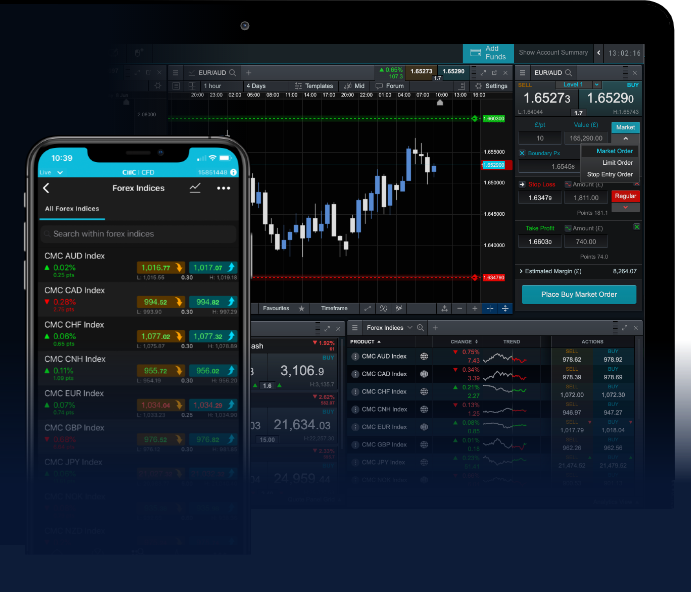
Technical analysis involves analyzing price charts and patterns to forecast future price movement. Traders use various tools, such as moving averages, support and resistance levels, and indicators like RSI (Relative Strength Index) and MACD (Moving Average Convergence Divergence) to make informed decisions.
2. Fundamental Analysis
Fundamental analysis involves studying economic indicators, news releases, and geopolitical events that can affect currency values. Understanding economic reports such as GDP, unemployment rates, and interest rates is crucial for predicting currency movements. While technical analysis focuses on price action, fundamental analysis provides insight into the underlying reasons for shifts in the market.
Developing a Trading Strategy
Having a well-defined trading strategy is essential for success in Forex trading. This strategy should include your trading goals, risk tolerance, and specific entry and exit points. It’s important to keep your strategy flexible, allowing for adjustments based on market conditions. Popular strategies include day trading, swing trading, and position trading, each catering to different time frames and objectives.
Risk Management
Effective risk management is crucial for long-term success. Traders should never risk more than a small percentage of their trading capital on a single trade. Setting stop-loss orders and take-profit levels are standard practices to manage potential losses and secure profits when trades move in your favor.
The Importance of a Trading Journal
Keeping a trading journal can significantly improve your trading skills. Documenting your trades, including the rationale behind your decisions, outcomes, and emotional state during trading, helps identify patterns in your trading behavior, allowing you to refine your strategy over time.
Choosing the Right Forex Broker
Selecting a reputable Forex broker is critical to your trading success. Look for brokers that are regulated, offer a user-friendly trading platform, competitive spreads, and strong customer support. As a beginner, it’s beneficial to choose brokers that offer demo accounts, allowing you to practice trading without risking real money.
Staying Informed
The Forex market is constantly evolving. Staying informed about global economic news, market trends, and trading strategies is vital. Follow financial news websites, join trading forums, and consider enrolling in online courses to continuously enhance your knowledge and skills.
Conclusion
Embarking on a Forex trading journey can be both exciting and daunting. Education plays a crucial role in mastering the art of trading. By enrolling in a Forex Trading School, you can develop the necessary skills and gain insights to navigate the Forex market successfully. Remember that consistent practice, effective risk management, and a strong trading plan are keys to long-term success. Good luck on your trading journey!


