

Maximizing Your Forex Trading Profit: Strategies and Tips
Forex trading, or foreign exchange trading, has become one of the most lucrative ways to invest and generate profit in recent years. As a decentralized global market where currencies are traded, the forex market operates 24/5, offering traders numerous opportunities to profit. However, to be successful in forex trading profit is not just about luck; it requires knowledge, skill, and a well-thought-out trading strategy. In this article, we will explore techniques that can help you maximize your trading profits while minimizing risks. For those interested in the latest in trading technology, check out forex trading profit Trading Platform QA for insightful reviews and comparisons.
Understanding the Basics of Forex Trading
The forex market is the largest financial market in the world, with a daily trading volume exceeding $6 trillion. Unlike stock trading, where you buy and sell shares in companies, forex trading involves buying one currency while simultaneously selling another. Currency pairs are quoted in relation to one another, and traders speculate on whether the value of a currency will rise or fall. Understanding these fundamentals is crucial for developing effective trading strategies.
Developing a Trading Strategy
A well-defined trading strategy is essential for success in forex trading. Here are some popular types of trading strategies:
- Day Trading: This strategy involves executing multiple trades within a single day, taking advantage of small price movements.
- Swing Trading: Swing traders hold positions for several days or weeks, aiming to profit from larger price movements.
- Scalping: Scalpers make dozens or even hundreds of trades each day, focusing on small price changes.
- Position Trading: This long-term strategy is based on fundamental factors and can involve holding positions for months or years.
Choosing a strategy that fits your personality, risk tolerance, and time commitment is crucial. Additionally, your strategy should incorporate clear entry and exit signals based on technical or fundamental analysis.
Analyzing the Market
An essential aspect of forex trading is market analysis. There are two main types of analysis you can use to inform your trading decisions:
Technical Analysis
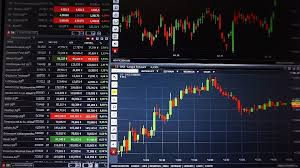
Technical analysis involves studying price charts and indicators to forecast future price movements. Traders use tools like moving averages, Bollinger Bands, and the Relative Strength Index (RSI) to identify trends and reversals. Mastering technical analysis can give you a competitive edge in the market.
Fundamental Analysis
Fundamental analysis focuses on economic indicators, news events, and geopolitical factors that can affect currency values. Traders who employ this approach analyze reports such as GDP, employment statistics, and interest rates to gauge the economic health of a currency’s country. Understanding these fundamentals can help you anticipate market shifts and adjust your trading strategy accordingly.
Risk Management Techniques
One of the most critical skills a trader can possess is effective risk management. Any trader who aspires to make a profit must understand how to manage their risks. Here are some essential risk management techniques:

- Setting Stop-Loss Orders: A stop-loss order is designed to limit your losses by selling an asset when it reaches a specified price. This technique prevents potentially devastating losses.
- Position Sizing: Determine how much of your total capital you are willing to risk on a single trade. Many traders recommend risking no more than 1-2% of your capital on each trade.
- Diversification: Avoid putting all your money into a single currency pair. Diversifying your trades across multiple pairs can help mitigate risk.
- Consistent Review: Regularly review your trades to determine what strategies are working and which are not. This ongoing process can lead to improved decision-making over time.
Psychology of Trading
Emotional factors can heavily influence trading decisions. Successful traders must manage their emotions, especially fear and greed. Here are some tips for maintaining a strong trading psychology:
- Stick to Your Plan: Emotional decisions can lead to costly mistakes. Have a written trading plan and stick to it.
- Stay Disciplined: Successful trading requires discipline. Avoid the temptation to overtrade or chase losses.
- Keep Learning: The forex market is constantly evolving. Traders must dedicate time to learning new strategies and market developments.
The Role of Technology in Forex Trading
Modern technology has transformed forex trading. Online trading platforms provide real-time data, advanced charting capabilities, and analytical tools that make it easier for traders to execute their strategies. Consider utilizing automated trading systems (Expert Advisors) or algorithmic trading, which can execute trades based on pre-set parameters. However, while technology can enhance your trading capabilities, it’s important to understand the risks involved, as market conditions can change rapidly.
Conclusion
Forex trading can be a profitable venture when approached with the right mindset, strategy, and tools. By developing a comprehensive trading plan, understanding market analysis, practicing sound risk management, and controlling your emotions, you can significantly improve your chances of success in the forex market. Remember, there are no shortcuts to success, and continuous learning and adaptation are key components of a successful trading career. Start implementing these strategies today to maximize your forex trading profit!


